If you have ever compared the saffron price in Pakistan, you know how confusing it can be. One shop sells a tiny box for a high price, another sells a big packet for very little, and both call it “original zafran”. The truth is that saffron is the most expensive spice in the world, and that is exactly why fakes are so common.
This guide explains why real saffron costs what it does, what the grades mean, how Iranian and Herat saffron differ, and how to check real saffron at home with simple tests. We also share easy ways to use zafran in biryani, zarda, kheer and doodh.
Why is saffron so expensive?
Saffron comes from the crocus flower (Crocus sativus). Each flower has only three thin red threads, called stigmas, and every thread is picked by hand and then carefully dried. It takes thousands of flowers to collect a small amount of saffron.
Because of this slow, manual work, real saffron is never cheap. When you see a large packet of “pure saffron” at a very low price, it is usually mixed, dyed or not saffron at all. The price you pay mainly depends on four things: the grade, the origin, the freshness and the honesty of the seller.
Saffron grades in simple words
The most important thing to understand is that only the deep red part of the thread carries strong colour, aroma and flavour. The yellow or white part at the bottom, called the style, adds weight but little flavour. Grades are mostly about how much of that red part you get.
- Super Negin and Negin: long, thick, fully red threads with the yellow part removed. These are the top grades.
- Sargol: red tips only, usually shorter and more broken.
- Pushal and bunch: red threads with some or all of the yellow part attached. Cheaper, but weaker per gram.
So a higher-grade saffron may look expensive, but you usually need fewer threads to get the same colour and aroma in your food.
Iranian saffron vs Herat saffron
Iran is the best-known saffron source in the world, and Irani zafran is famous for its rich aroma and deep colour. Herat, in western Afghanistan, is also well known for high-quality saffron, and many Pakistani households are familiar with Herat zafran.
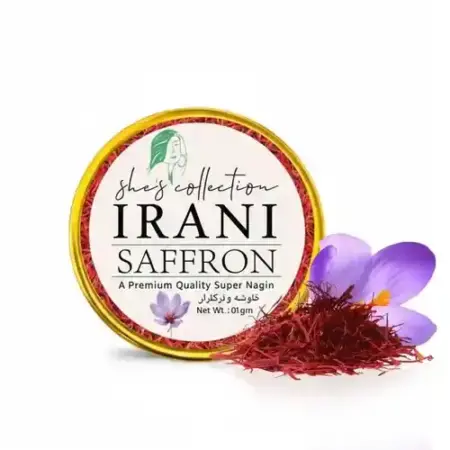
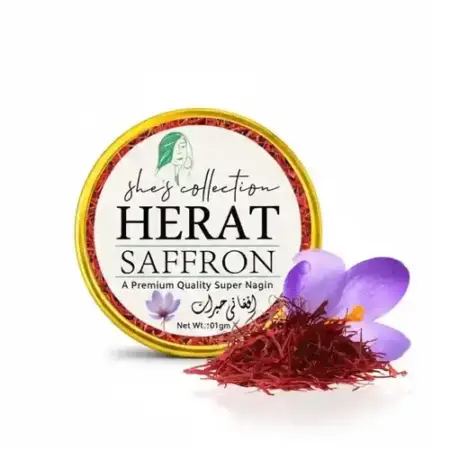
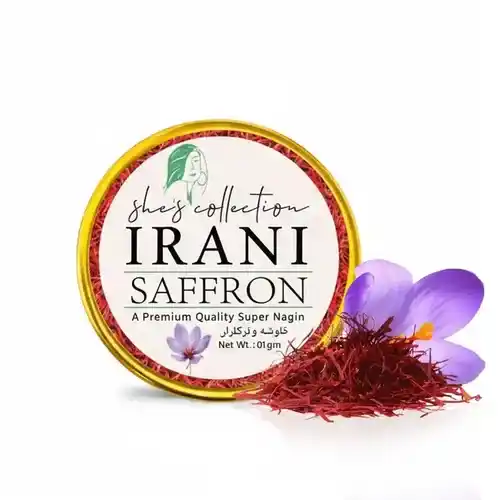
Authentic Iranian Saffron (Zaffran) – 100% Pure is made of premium, carefully selected Iranian saffron threads with a rich aroma, a natural deep colour and a strong fragrance. It is ideal for food, drinks and daily use. 1st Grade Super Negin Herat Saffron/Zafran is a top-grade Super Negin saffron, valued for both daily use and cooking.
| Product | What it is | Best for | Price |
|---|---|---|---|
| Authentic Iranian Saffron (Zaffran) | Pure Iranian saffron threads | Biryani, desserts, zafrani doodh | Rs 1,350 |
| 1st Grade Super Negin Herat Saffron | Super Negin grade Herat zafran | Cooking and daily use | Rs 1,350 |
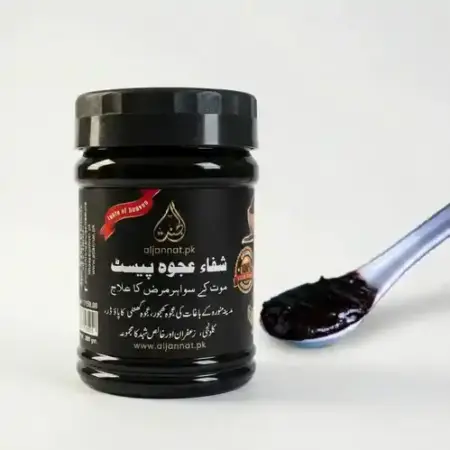
| Shifa-e-Ajwa Herbal Paste 280g | Ajwa dates, saffron, kalonji and honey paste | A ready daily spoonful | Rs 1,299 |
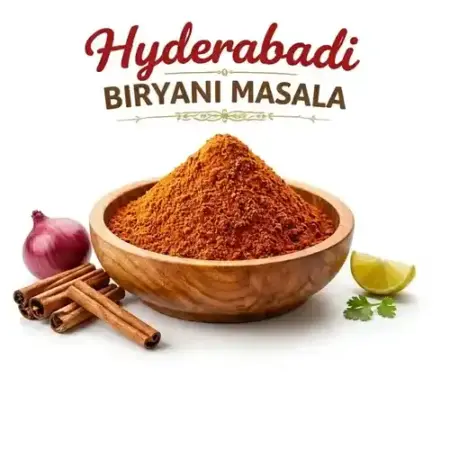
| Homemade Hyderabadi Biryani Masala 100g | Hyderabadi biryani spice blend | Pairing with saffron in biryani | Rs 320 |
Prices update live, so the figure you see above is the current price on the store. You will find both saffrons in our herbal superfoods collection.
How to check real saffron: 5 easy tests
Common fakes include corn silk, safflower (kusum) petals, dyed threads and even coloured paper or fibre. These simple checks help you spot most of them.
1. The warm water test
Put two or three threads in a small cup of warm water. Real saffron releases a golden-yellow colour slowly, over several minutes, and the threads stay red. If the water turns red at once, or the threads quickly lose their colour and turn pale, the saffron is likely dyed.
2. Look at the shape
A real saffron thread is thin at one end and widens into a small trumpet shape at the other. Fake threads often look the same thickness all along, or look fluffy and hair-like.
3. The rub test
After soaking, rub a thread between your fingers. Real saffron stays as a thread and leaves a yellow-orange stain. A thread that breaks into mush or leaves a red stain is a warning sign.
4. Smell and taste
Real saffron smells sweet and floral, a bit like honey and hay, but it tastes slightly bitter. If it tastes sweet, sugar may have been added to increase the weight.
5. Be careful with cheap powder
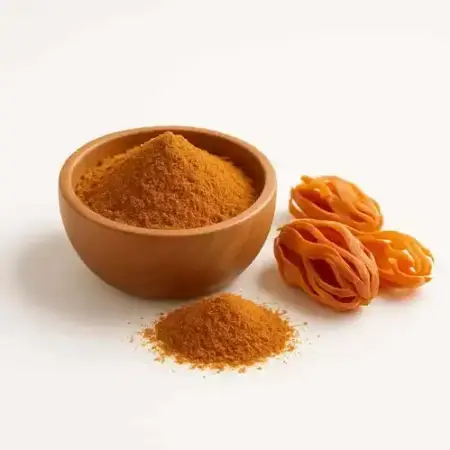
Saffron powder is very easy to mix with turmeric, paprika or other colours. Unless you trust the seller fully, buy whole threads, which are much easier to check.
How to use zafran in Pakistani cooking
A little saffron goes a long way. For the best colour and aroma, soak a small pinch of threads in two or three tablespoons of warm milk or water for 15 to 20 minutes before adding it to your dish. Some cooks also crush the threads with a pinch of sugar first.
- Biryani: drizzle saffron milk over the top rice layer before dum for those golden streaks.
- Zarda and sheer khurma: perfect for Eid and wedding desserts.
- Kheer and firni: stir in near the end of cooking.
- Zafrani doodh and qehwa: add a few threads to warm milk or green tea on a winter evening.
Making biryani at home? Our guide to homemade biryani masala and pure spices pairs perfectly with saffron. You can also explore our organic and pure spices.
Storing saffron and a note on health
Keep saffron in an airtight container in a cool, dark, dry place. Light, heat and moisture slowly fade its colour and aroma. Always use a dry spoon or dry fingers, and avoid keeping it near the stove.
In many desi homes, saffron has traditionally been valued in warm milk and in traditional remedies, and many people like it simply for its comforting aroma. It is a spice, not a medicine, and it is normally used in small amounts in food. Saffron is also one of the ingredients in Shifa-e-Ajwa Herbal Paste, alongside Ajwa dates, kalonji and honey; read more in our guide to Ajwa dates in Pakistan. Please consult your doctor if you are pregnant, diabetic, on medication, or have a health condition.
How to order
Order saffron online at She’s Collection with Cash on Delivery all over Pakistan. Delivery takes 2–5 working days, and delivery is free on orders of Rs 700 or more. Pay in advance by bank transfer and you get 4% off.
Returns are free within 7 days for unused items in their original packing; only the delivery charge is deducted. Have a question about grades or usage? Message us on WhatsApp at +92 323 6066292 or ask the Smart Assistant chat on the website, which can also place your order.
Frequently asked questions
What is the saffron price in Pakistan?
It depends on the grade, origin and quantity. Authentic Iranian Saffron is currently Rs 1,350, and 1st Grade Super Negin Herat Saffron is Rs 1,350. Be careful with very cheap saffron, as it is often mixed or fake.
Which is better, Iranian or Herat saffron?
Both are well-known sources of quality saffron. The grade matters more than the country. Fully red threads such as Super Negin give stronger colour and aroma than threads with the yellow part attached.
How can I check if saffron is real at home?
Soak a few threads in warm water. Real saffron slowly turns the water golden-yellow while the threads stay red. Also check for the trumpet-shaped end and a slightly bitter taste.
How much saffron should I use in biryani?
For a normal family pot, a small pinch of good-quality threads soaked in warm milk is usually enough. Using too much can make the dish taste bitter.
Does saffron expire?
Saffron does not spoil quickly, but it slowly loses colour and aroma over time. Store it airtight, away from light and moisture, and use it while the aroma is strong.