
10 Best Natural Remedies for Hair Growth
1. Give Your Scalp a Gentle Massage
A scalp massage is one of the easiest things you can add to your hair-care routine. It doesn’t require any special product or expensive equipment.
Use your fingertips to gently massage your scalp in small circular movements for about 5–10 minutes. It can help you relax and may support healthy blood flow around the scalp.
If you’re using hair oil, you can massage it in at the same time. Just be gentle and avoid scratching your scalp with your nails.
Simple tip: Make scalp massage part of your regular routine rather than expecting results after just one or two sessions.
2. Try Aloe Vera for a Fresh, Moisturized Scalp
Aloe vera has long been used in skin and hair-care routines. Its soothing and moisturizing properties can make it a useful option if your scalp feels dry or uncomfortable.
Apply a small amount of pure aloe vera gel to your scalp and leave it on for around 20–30 minutes before rinsing.
If you’re trying aloe vera for the first time, apply a little to a small area of skin first. This can help you check whether your skin reacts to it.
3. Add Coconut Oil to Your Hair-Care Routine
Coconut oil is a simple and affordable option for people who want to keep their hair soft and conditioned. It can help reduce dryness and may protect the hair shaft from some types of damage.
Take a small amount of coconut oil and gently massage it into your hair and scalp. Leave it on for around 30 minutes before washing.
If you prefer using a ready-made blend instead of a single oil, you can also explore Al Jannat Natural Hair Oil made from 13 oils as part of your regular hair-care routine.
Tip: You don’t need to soak your hair in oil. Using too much can leave your hair greasy and may cause buildup on some scalps.
4. Consider Diluted Rosemary Oil
Rosemary oil is one of the more popular natural ingredients in hair-care routines. Some research has looked at its possible role in supporting hair growth, although the evidence is still limited.
If you want to try rosemary essential oil, never apply it directly to your scalp in concentrated form. Mix a few drops with a suitable carrier oil, such as coconut or jojoba oil.
Apply a small amount and stop using it if you notice redness, burning, itching, or other irritation.
5. Give Onion Juice a Try—Carefully
Onion juice is another traditional home remedy that you’ll often see recommended for hair care. It contains sulfur compounds and has been studied for certain types of patchy hair loss.
To try it at home, extract the juice from a small onion and apply a small amount to your scalp. Leave it on for about 15–20 minutes and then wash your hair thoroughly.
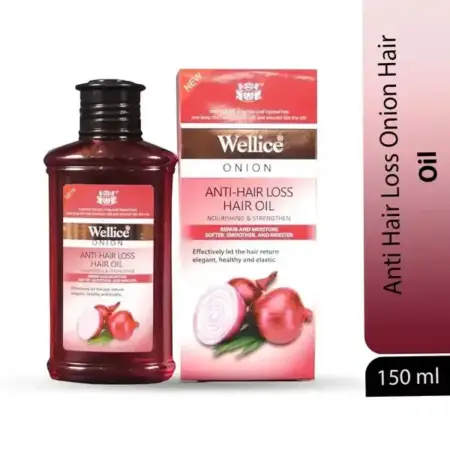
If you like onion-based hair care but prefer a ready-to-use product, you can also consider Wellice Anti Hair Loss Onion Hair Oil as part of your regular hair-care routine.
The smell of onion juice can be quite strong, and it may irritate sensitive skin. Always patch-test it before using it on your entire scalp.
6. Make Protein Part of Your Daily Diet
Your hair needs protein to stay strong because hair is largely made up of a protein called keratin.
If your diet is low in protein, adding more protein-rich foods can be a useful step toward better overall nutrition.
Good options include:
- Eggs
- Fish
- Chicken
- Yogurt
- Lentils
- Beans
- Chickpeas
- Nuts and seeds
Rather than searching for one special “hair-growth food,” aim for a balanced diet that gives your body a variety of nutrients.
7. Fill Your Plate With Fruits and Vegetables
Your hair benefits from good nutrition just like the rest of your body. Fruits and vegetables provide a variety of vitamins, minerals, and other nutrients that support overall health.
Try adding foods such as spinach, carrots, sweet potatoes, oranges, berries, tomatoes, avocados, and other colorful produce to your meals.
Eating a variety of foods is generally a better approach than depending on one food or an unnecessary supplement.
8. Give Your Hair a Break From Excessive Heat
Love your straightener or curling iron? You don’t necessarily have to stop using them completely, but using high heat too often can make hair dry and fragile.
Heat-damaged hair is more likely to break, which can make it harder to retain length.
To reduce damage:
- Use a lower heat setting.
- Don’t hold a hot tool on one section for too long.
- Use a heat-protective product.
- Avoid heat styling every day.
- Let your hair air-dry when possible.
Protecting the hair you already have is just as important as trying to encourage new growth.
9. Keep Your Scalp Clean
A healthy hair routine starts with a healthy scalp. Washing your hair regularly can help remove excess oil, sweat, dead skin cells, and styling-product buildup.
There isn’t one perfect washing schedule for everyone. Your ideal routine depends on your hair type, scalp, lifestyle, and how oily your hair becomes.
If you prefer a herbal option for your regular hair-washing routine, you can explore Sulfate-Free Herbal Hair Shampoo, which contains traditional herbal ingredients such as Amla, Reetha, and Shikakai.
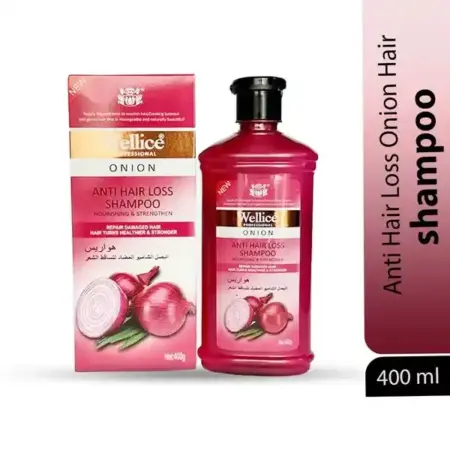
If you’re specifically interested in an onion-based hair-care routine, Wellice Anti Hair Loss Onion Hair Shampoo is another option to consider.
If you regularly experience dandruff, intense itching, redness, or scalp irritation, it’s better to get professional advice rather than continuously trying DIY treatments.
10. Avoid Hairstyles That Pull on Your Hair
A tight ponytail may look great, but wearing hairstyles that constantly pull on your roots can put unnecessary stress on your hair.
Try wearing your ponytails, buns, and braids a little looser. If you regularly use extensions or other styles that pull on the hair, give your scalp and roots some breaks.
Being gentle with your hair can help reduce unnecessary pulling and breakage.
Simple Habits That Can Make a Difference
You don’t need a complicated 10-step routine to take better care of your hair. A few consistent habits can go a long way.
Try to:
- Eat a balanced diet with enough protein.
- Drink enough water throughout the day.
- Get regular, quality sleep.
- Find healthy ways to manage stress.
- Avoid excessive heat styling.
- Handle wet hair gently.
- Avoid very tight hairstyles.
- Keep your scalp clean.
- Condition your hair regularly.
- Be patient and consistent with your routine.
Small changes may not produce dramatic results immediately, but they can help create better conditions for healthy-looking hair over time.
What Really Helps Your Hair Grow?
It’s easy to get caught up in online hair-growth hacks. One person recommends onion juice, another swears by a particular oil, while someone else says a certain food completely changed their hair.
The reality is a little less exciting—but much more useful.
There is no single natural ingredient that guarantees faster hair growth. Your hair has its own natural growth cycle, and genetics play an important role in determining how quickly it grows.
What you can control is how you treat your hair and scalp.
Eating well, getting enough protein, reducing damage, avoiding excessive pulling, and taking care of your scalp can help you maintain healthier hair and reduce preventable breakage.
If you’re dealing with noticeable hair loss, it’s also important to find out why it’s happening instead of simply trying one home remedy after another.
A Few Things to Keep in Mind
Natural remedies can be useful as part of a hair-care routine, but they aren’t automatically safe for everyone.
Essential oils should be diluted before use, and ingredients such as onion juice or aloe vera can cause irritation in some people. Always test a new ingredient on a small area of skin first.
Also, avoid taking high-dose vitamins or supplements simply because they are marketed for hair growth. If you have a nutritional deficiency, a healthcare professional can help determine the right approach.
Your Questions
How can I increase hair growth naturally?
The best approach is to focus on overall hair and scalp health. Eat a balanced diet with enough protein, manage stress, reduce heat and chemical damage, avoid tight hairstyles, and follow a gentle scalp-care routine. Home remedies may support hair care, but they cannot guarantee faster hair growth.
Which natural remedy is best for hair growth?
There isn’t one remedy that works for everyone. Scalp massage, coconut oil, aloe vera, and properly diluted rosemary oil are popular options for supporting a healthy hair-care routine. Your choice should depend on your hair type and scalp.
Does coconut oil help hair grow?
Coconut oil can help condition and protect the hair, which may reduce dryness and breakage. This can help you retain more length, but coconut oil should not be considered a guaranteed treatment for faster hair growth.
How long does it take to see hair-growth results?
Hair grows gradually, so noticeable changes take time. Results can vary depending on your genetics, nutrition, overall health, hair-care routine, and the reason behind hair loss or thinning. Consistency is more important than changing remedies every few days.
Explore More Natural Hair-Care Options
If you’re building a simple natural hair-care routine, you can also explore our Organic Shampoos & Hair Oils Collection for more hair-care options.