Choosing the right shampoo can be confusing, especially when every product promises cleaner, softer and healthier-looking hair. Pakistan’s heat, dust, humidity, hard water and frequent styling can make hair care even more challenging. Using a shampoo that cleans too aggressively may leave your scalp feeling dry and your hair rough or frizzy.
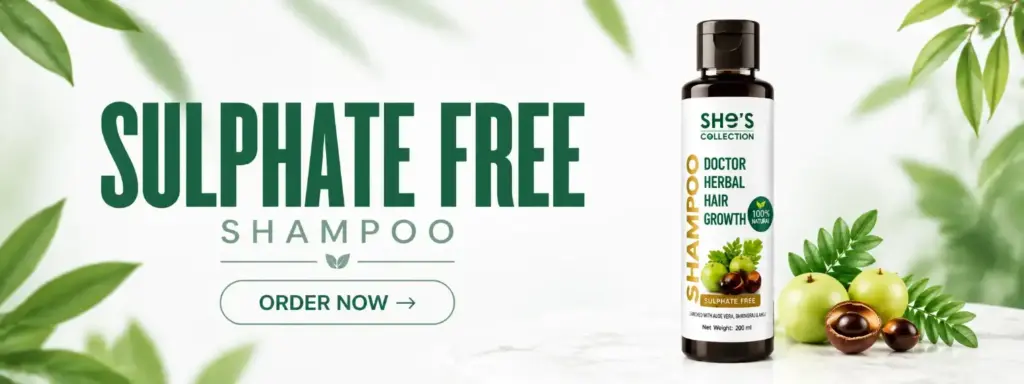
A sulfate-free shampoo offers a gentler way to cleanse your hair. When combined with traditional herbal ingredients such as amla, reetha and shikakai, it can become a valuable part of a balanced hair-care routine. However, you still need to select a formula that suits your scalp condition, hair texture and washing habits.
What Is a Sulfate-Free Shampoo?
Sulfates are cleansing agents commonly added to shampoos to remove oil, sweat and dirt. They also create the rich foam that many people associate with clean hair.
A sulfate-free shampoo cleans the scalp without relying on common sulfate-based cleansers. It may produce less foam, but that does not mean it is ineffective. Foam mainly improves the washing experience and is not the only measure of a shampoo’s cleansing ability.
Because sulfate-free formulas are generally designed for gentler cleansing, they may be suitable for people experiencing dryness, frizz, colour fading or sensitivity to harsh shampoos.
Why Are People Choosing Sulfate-Free Shampoo in Pakistan?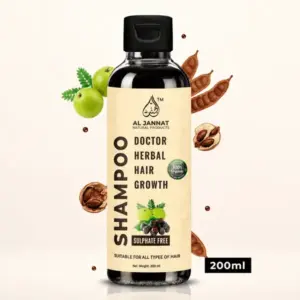
Hair in Pakistan is regularly exposed to dust, air pollution, direct sunlight and changing weather conditions. Many people also face mineral buildup caused by hard water. Frequent washing with a strong cleanser can sometimes make hair feel dry and difficult to manage.
A sulfate-free shampoo can support a gentler washing routine by cleansing without excessively stripping away natural oils. It may be particularly useful for people who wash their hair frequently or regularly use hair colour, heat-styling tools or chemical treatments.
Anyone looking for natural hair-care options can explore this collection of organic shampoos and hair oils in Pakistan to choose products according to their individual hair-care needs.
Benefits of Using Sulfate-Free Shampoo
Gentler Cleansing
A sulfate-free shampoo removes everyday oil, dust and impurities without creating the intensely stripped feeling associated with some stronger cleansers. This makes it a practical option for a gentle routine.
Helps Maintain Natural Moisture
The scalp produces natural oils that protect the hair and prevent excessive dryness. Strong or frequent cleansing may remove too much of this oil. A gentler shampoo helps maintain a healthier balance between cleanliness and moisture.
Suitable for Dry and Frizzy Hair
Dry hair requires careful cleansing. When too much moisture is removed, hair may become rough, tangled and difficult to style. A sulfate-free formula can help hair feel softer and more manageable, particularly when followed by a suitable conditioner.
Suitable for Coloured or Treated Hair
Colour-treated, straightened and chemically processed hair usually needs a milder routine. Strong cleansing products may contribute to colour fading or increase the dry feeling already caused by chemical processing.
Comfortable for Frequent Washing
People who exercise, wear helmets, travel through polluted areas or experience heavy sweating may need to wash their hair frequently. A mild shampoo can be a more practical option for such routines.
Why Choose Amla, Reetha and Shikakai?
Amla, reetha and shikakai have a long history of use in traditional South Asian hair care. These herbal ingredients are commonly included in modern shampoos to combine traditional hair-care practices with the convenience of a ready-to-use product.
Amla
Amla is widely used in herbal hair products. It is valued for helping hair appear healthier, smoother and shinier. It is commonly included in routines designed for dull, weak or difficult-to-manage hair.
Reetha
Reetha, also known as soapnut, contains naturally occurring cleansing compounds. It has traditionally been used to remove oil and impurities from the scalp and hair. Its cleansing properties make it a popular ingredient in herbal shampoos.
Shikakai
Shikakai is another traditional cleansing and conditioning ingredient. It is commonly used to support softer, smoother and more manageable hair. It may also help reduce the rough feeling that sometimes occurs after washing.
A formula containing amla, reetha and shikakai can offer a useful combination of cleansing and conditioning benefits. However, herbal ingredients do not guarantee that a product will suit everyone. Always consider the complete ingredient list and perform a patch test if your skin is sensitive.
How to Choose the Right Sulfate-Free Shampoo
Check Your Scalp Type
Your scalp condition should guide your choice more than current hair-care trends.
If you have a dry scalp, choose a mild formula that does not leave your scalp feeling tight. For an oily scalp, look for a sulfate-free shampoo that cleans effectively without requiring excessive product. People with sensitive scalps should avoid ingredients that have previously caused irritation.
Persistent itching, redness, sores or severe flaking should be assessed by a qualified dermatologist.
Consider Your Hair Texture
Straight and fine hair can become weighed down if a shampoo contains too many heavy conditioning ingredients. Thick, wavy and curly hair usually needs additional moisture because natural scalp oils do not easily travel along the entire hair strand.
Dry, damaged or frizzy hair may benefit most from a gentle shampoo combined with regular conditioning.
Read the Complete Ingredient List
“Sulfate-free” describes only one feature of a shampoo. It does not automatically mean that the entire formula is natural, organic or suitable for sensitive skin.
Check the complete ingredient list for cleansers, fragrances, preservatives and herbal extracts. Avoid any ingredient to which you have a known sensitivity.
Consider Multiple Hair-Care Needs
Some people want more than basic cleansing from their shampoo. They may need a product that helps clean, condition and improve the appearance of dry or damaged hair.
In such cases, a multipurpose product such as this 3-in-1 chemical-free hair shampoo for gentle cleansing, conditioning and repair can be considered as part of a simplified hair-care routine.
Match the Shampoo to Your Routine
Consider how frequently you wash your hair and how many products you regularly apply. Someone using oils, serums, dry shampoo and styling products may need more thorough cleansing than a person following a simple routine.
A sulfate-free shampoo can be used regularly, but occasional deeper cleansing may be required if heavy buildup develops.
Buy from a Reliable Seller
When purchasing shampoo online in Pakistan, check the product size, packaging, ingredient information and usage instructions. Buying from a reliable seller reduces the risk of receiving an expired, damaged or improperly stored product.
Sulfate-Free Shampoo for Different Hair Types
Dry Hair
Dry hair may benefit from the mild cleansing action of sulfate-free shampoo. Apply it mainly to the scalp and avoid unnecessarily rubbing the lengths. Follow with a conditioner on the mid-lengths and ends.
Oily Hair
People with oily scalps can also use sulfate-free shampoo. The key is correct application. Use enough water, massage the shampoo directly into the scalp and rinse thoroughly. A second small application may be needed after heavy sweating or oiling.
Frizzy or Curly Hair
Curly and frizzy hair tends to lose moisture easily. A sulfate-free routine may help preserve softness and make the hair easier to manage. Avoid washing with very hot water because it can increase dryness.
Coloured Hair
Gentle cleansing can help protect the appearance of coloured hair. Although no shampoo can completely prevent colour from fading, a mild formula may reduce unnecessary stripping during washing.
Normal Hair
People with balanced scalps and normal hair can use sulfate-free shampoo to maintain a simple and gentle cleansing routine.
How to Use Sulfate-Free Shampoo Correctly
Using the correct technique is important because sulfate-free shampoo may produce less foam than regular shampoo.
- Wet your scalp and hair thoroughly with lukewarm water.
- Take a suitable amount of shampoo in your palm.
- Apply it primarily to the scalp rather than covering the entire hair length.
- Massage gently with your fingertips for one to two minutes.
- Avoid scratching your scalp with your nails.
- Add a little water while massaging to distribute the shampoo.
- Rinse thoroughly until no product remains.
- Repeat with a smaller amount only if your hair is heavily oiled or dirty.
- Apply conditioner to the mid-lengths and ends if required.
- Gently squeeze out excess water instead of roughly rubbing your hair with a towel.
How to Avoid Greasy Buildup
Some people feel that their hair becomes greasy after switching to sulfate-free shampoo. This can happen because of incorrect application, heavy oiling, insufficient rinsing or excessive styling-product use.
To reduce buildup:
- Wet your hair completely before applying shampoo.
- Apply the shampoo directly to different areas of your scalp.
- Massage gently but thoroughly.
- Rinse your hair for longer than usual.
- Avoid applying conditioner directly to your scalp.
- Use moderate amounts of hair oil.
- Clean your brushes and combs regularly.
- Limit the use of heavy serums and styling creams.
- Wash your hair according to your scalp’s actual needs.
There is no compulsory adjustment period for everyone. If a shampoo repeatedly leaves your scalp greasy, itchy or uncomfortable despite correct use, its formula may not suit your hair.
Common Myths About Sulfate-Free Shampoo
Less Foam Means the Hair Is Not Clean
A shampoo does not need to produce excessive foam to clean effectively. Cleansing performance depends on its complete formula and how correctly it is applied.
Sulfate-Free Shampoo Stops Hair Fall
Shampoo can cleanse the scalp and improve the cosmetic appearance of hair, but it cannot treat every cause of hair loss. Hair fall may be linked to stress, nutritional deficiencies, hormonal changes, illness, medication or genetics.
Herbal Products Cannot Cause Irritation
Natural and herbal ingredients can still cause sensitivity or allergic reactions. Perform a patch test before full use, particularly if you have sensitive skin.
Sulfate-Free Shampoo Is Only for Dry Hair
It can be used on dry, oily, normal, curly, coloured and treated hair. The complete formula and your washing routine determine whether it is suitable.
You Must Wash Your Hair Every Day
Washing frequency depends on scalp oiliness, climate, physical activity and product use. Some people require frequent washing, while others may only need to wash their hair two or three times per week.
A Gentle Herbal Option for Your Routine
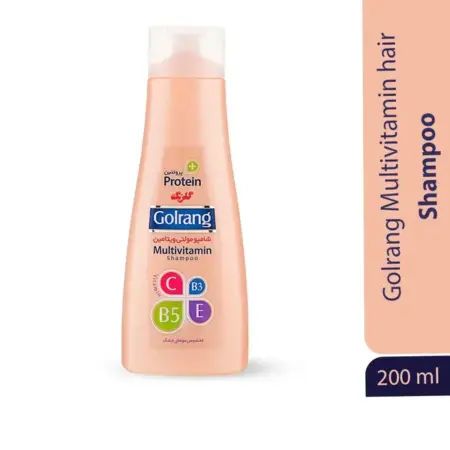
If you want to introduce a milder cleanser into your routine, consider the Sulfate-Free Herbal Hair Shampoo 200 ml.
A sulfate-free herbal shampoo can be useful for people who want to avoid harsh cleansing and establish a more balanced washing routine. Use it consistently, rinse it thoroughly and combine it with suitable conditioning and gentle hair-handling practices.
Frequently Asked Questions
Can I Use Sulfate-Free Shampoo Every Day?
It may be used frequently if the formula suits your scalp. However, daily washing is not necessary for everyone. Adjust the frequency according to oil production, sweating and product buildup.
Can Sulfate-Free Shampoo Be Used After Applying Hair Oil?
Yes, but heavy oiling may require two gentle washes. Avoid applying excessive oil because it can be difficult to remove with a mild cleanser.
Is Sulfate-Free Shampoo Suitable for Oily Hair?
Yes. People with oily hair should concentrate the shampoo on the scalp and rinse it thoroughly. Avoid applying conditioner directly to the roots.
Does Sulfate-Free Shampoo Help with Frizz?
A mild shampoo may help reduce dryness-related frizz because it cleans without removing excessive natural oils. A conditioner or hair serum may still be needed.
Who Can Use Herbal Sulfate-Free Shampoo?
Shampoo selection should be based on scalp condition and hair type .
How Long Does It Take to See Results?
Cleanliness and softness may be noticeable after the first few washes. Improvements in manageability depend on your hair condition, complete routine and consistency of use.
Final Thoughts
The right sulfate-free shampoo should cleanse your scalp effectively without leaving your hair excessively dry, rough or heavy. Before choosing one, consider your scalp type, hair texture, washing frequency and sensitivity to individual ingredients.
A sulfate-free formula containing traditional herbal ingredients can be a practical addition to a gentler hair-care routine. For better results, use the shampoo correctly, avoid excessive product buildup and maintain realistic expectations. Healthy-looking hair depends not only on shampoo but also on conditioning, nutrition, careful styling and regular scalp care.